

Business companies stand for a critical framework in the international economic situation, functioning as the foundation for plenty of markets and facilitating financial growth, development, and employment. At its core, a business firm is a lawful entity distinct from its proprietors, supplying them with limited responsibility and making it possible for a splitting up in between personal and organization properties. This attribute is critical as it allows financiers to get involved without running the risk of individual monetary wreck beyond their investment in the business. Firms can increase capital extra easily than various other company types by releasing supplies, which can be gotten and offered by the public in numerous cases. The capacity to attract investment from a vast swimming pool of financiers makes it possible for companies to scale operations and undertake considerable projects or developments.
The framework of a company is much more complicated than that of sole proprietorships or collaborations. It involves a layered plan where the shareholders are the owners, electing a board of supervisors in charge of looking after the firm's overarching strategies. The board, in turn, assigns the firm's management, which deals with the daily procedures. This separation of power is developed to ensure liability and safeguard the passions of the shareholders. Furthermore, firms go through extensive governing examination which can include frequent reporting needs, audits, and compliance with the requirements of various regulative bodies depending upon the sector and region. Despite these intricacies, the benefits of incorporation, such as eternity of existence, transferability of shares, and access to capital markets, make it an extremely attractive kind of enterprise for lots of entrepreneurs and financiers.
Understanding the Framework and Feature of Business Corporations
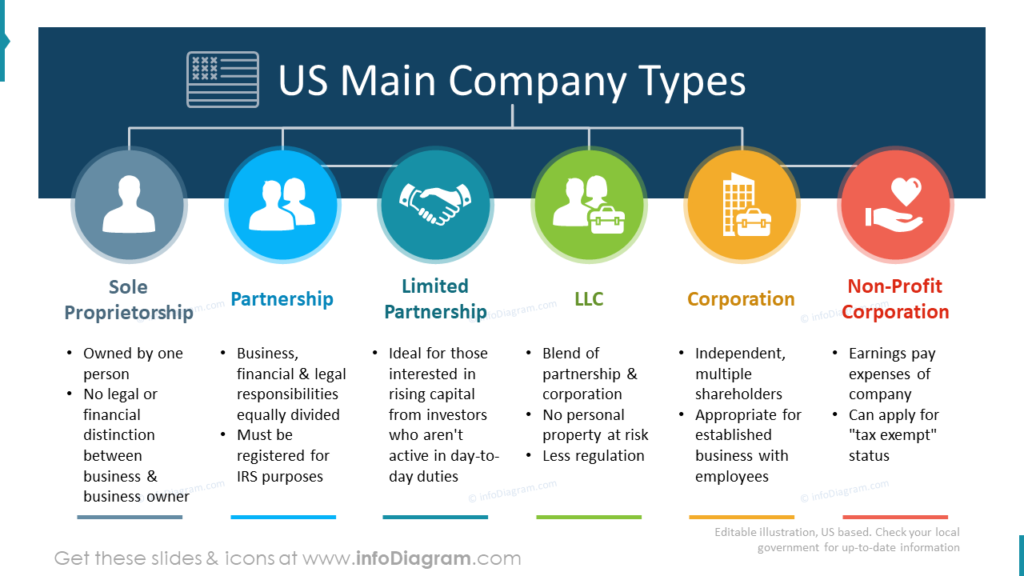
A company company is a lawful entity that is distinct and different from its proprietors, who are called shareholders. This structure allows the firm to have possessions, sustain responsibilities, and perform organization in its own name, as opposed to in the names of its shareholders. One of the primary advantages of a business framework is limited obligation. This implies that the personal assets of investors are secured from claims against the company. In case of legal disagreements or personal bankruptcy, investors can only shed their financial investment in the corporation and not their personal wide range. From an administration perspective, a firm is taken care of by a board of directors, elected by the shareholders. The board is in charge of making significant decisions and overseeing the basic course of business, establishing critical goals, and making sure compliance with moral and lawful criteria. The everyday operations are generally handled by policemans appointed by the board, such as the chief executive officer, CFO, and others. Firms are also defined by their capacity to increase funding more quickly than various other company kinds. They can issue shares of supply to draw in financial investment, which can supply substantial gas for growth and expansion. This feature makes them particularly appealing to large jobs requiring substantial preliminary financial investment and continuous funding. Companies enjoy continuous presence, indicating they proceed to exist also if possession changes or original shareholders pass away. This continuity provides stability for customers, staff members, and investors, and permits long-term preparation and advancement. Taxation is an additional critical aspect of companies; they are tired as separate entities and need to pay company taxes on their revenues. However, this can cause dual taxes if business income is distributed to investors in the kind of dividends, that after that likewise pay tax obligations on these distributions. In spite of this, the benefits of being incorporated commonly exceed the potential drawbacks, making the corporate framework an essential component in the landscape of global organization.
Functional and structural Characteristics of Company Companies
Business firms run within a distinct structural structure that makes certain security, development, and conformity with legal requirements. At the core of a business structure is the board of supervisors, in charge of making overarching strategic decisions and looking after the overall administration of the firm. This board, commonly composed of essential stakeholders and market specialists, delegates day-to-day operational tasks to the exec monitoring team, led by the Chief Exec Officer (CHIEF EXECUTIVE OFFICER). The chief executive officer, in addition to various other C-suite execs such as the Chief Financial Policeman (CFO) and Principal Operating Officer (COO), makes certain the corporation's plans and approaches are executed effectively across all departments. In addition, companies should follow a myriad of policies regulating their procedures, from monetary openness to ecological compliance, which necessitates a durable lawful and compliance department. Internally, the success of a company usually depends upon the performance of its organizational structure which could include different departments such as personnels, marketing, advancement and research study, and IT, all functioning in a cohesive way to accomplish the company's calculated objectives. Externally, firms need to navigate a complex internet of stakeholder relationships including investors, customers, competitors, and regulatory bodies. Each partnership requires critical interaction and administration to cultivate growth and minimize dangers. This elaborate network of outside and internal characteristics specifies the operational rhythm of business corporations, driving them in the direction of meeting their mission while adapting to ever-changing market and regulatory settings.
Understanding the Lawful Structure and Governance of Business Corporations
Service companies, as complicated and structured lawful entities, play an essential function in the worldwide economic climate by advertising financial investment, creating tasks, and cultivating advancement. At their core, these entities are lawfully distinctive from their owners, supplying a guard of minimal liability which secures specific investors from being personally responsible for the firm's financial obligations and lawful actions. This fundamental principle of corporate regulation not only motivates financial investment by reducing danger however likewise urges the firm to abide by organized administration and conformity practices to maintain its condition. Business governance commonly involves a board of policemans and directors who are in charge of making significant choices and taking care of the daily procedures, specifically. The board is democratically elected by the shareholders and is tasked with protecting their passions, mainly focusing on boosting investor value. These supervisors owe a responsibility of treatment and loyalty to the corporation, legally binding them to act in the business's benefit, that includes making certain conformity with applicable laws and guidelines, managing executive performance, and establishing broad company policies. Companies need to adhere to extensive record-keeping and reporting practices, including regular monetary disclosures and investor interactions, which boost openness and accountability. Such careful administration frameworks and legal commitments make certain that corporations run successfully and ethically, adding to lasting economic development and capitalist self-confidence.
The Important Duty of Company Governance in Service Companies
Corporate governance in service firms is a critical aspect that forms their growth, sustainability, and moral impact. At its core, corporate administration entails a variety of methods, plans, and laws that identify just how a business is carried out and controlled. The primary aim is to align as carefully as feasible the passions of people, companies, and society. Efficient administration structures encourage firms to create value through innovation, investment and energetic engagement with stakeholders, while also enforcing systems to attain liability, openness, and honest actions in organization procedures. Key to this administration framework are the roles of the board of directors and the executive administration team. how do i find information on a business in canada bears the ultimate responsibility for the tactical support of the business, along with the oversight of the administration. They play a critical function in policy setting, tactical choice guaranteeing and making that the company follows honest and lawful criteria. It is their task to secure the passions of shareholders and various other stakeholders such as workers, clients, and the area. On the other hand, executive monitoring takes care of the daily events of the company, implementing the board's policies and making functional choices that guide the company in the direction of its set goals. The significance of corporate administration extends past interior management to the wider influence on the economic climate and culture. Well-governed firms normally surpass others since they are a lot more transparent, liable, and responsive to the demands of all stakeholders. This responsiveness motivates much better threat administration practices and can cause more sustainable company techniques. In addition, robust governance is typically seen by capitalists as a marker of dependability, which can boost a firm's charm in financial markets, thus raising its ability to access capital and spend in growth opportunities.
Additionally, in today's globalized globe, where services go through extreme scrutiny and rapid details dissemination by means of electronic media, preserving a solid governance framework assists companies handle their credibility and alleviate potential dilemmas before they rise. This aggressive method to administration can secure and also improve a business's public picture, thus supporting its lasting success and security. Business governance is not just an issue of inner policy, however a vital and vibrant aspect of modern-day organization strategy.